Search toggle

Food companies, cut your Scope 3 fertilizer emissions now, not in 2030.

Proba is working with a major global potato producer to replace generic emission factors with fertilizer- and practice-specific methodologies, so the reductions they have already achieved in the field are quantifiable and defensible in their Scope 3 reporting.

Quantify fertilizer emissions Proba

Quantify fertilizer emissions

Generic tools use industry averages. Proba's GHG Methodologies quantify down to the named fertilizer, the specific crop, the actual field.

Read more
Report Scope 3 progress

Report Scope 3 progress

Agricultural Scope 3 is most of your footprint and the hardest part to move. This starts with finding the hotspot in your supply shed, where fertilizer emissions are concentrated and where interventions are achievable.

Read more
Agrifirm crop reductions Proba homepage

See decarbonization in practice: Scope 4 reductions with Agrifirm

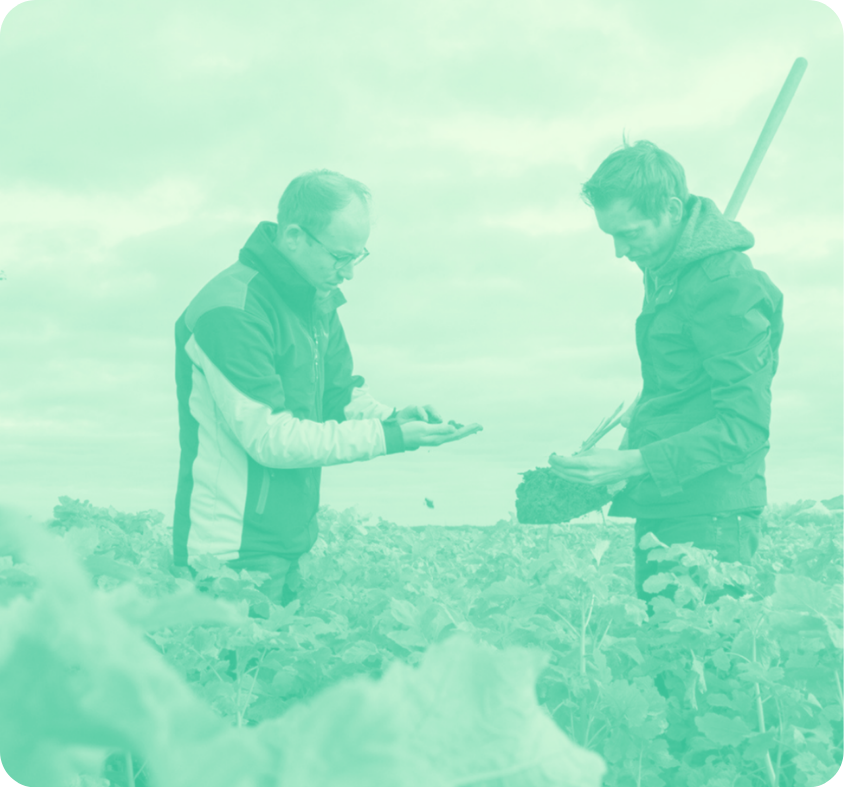
Agrifirm Plant-Based Solutions and Proba are jointly working on a project cutting fertilizer-related crop emissions across arable supply chains. Farmers adopt low-carbon and controlled-release fertilizers plus nitrogen stabilizers; Proba quantifies the impact and issues third-party-certified Inset Units aligned with SBTi FLAG and the GHG Protocol. Food companies sourcing from these chains can claim the verified reductions in Scope 3 reporting.

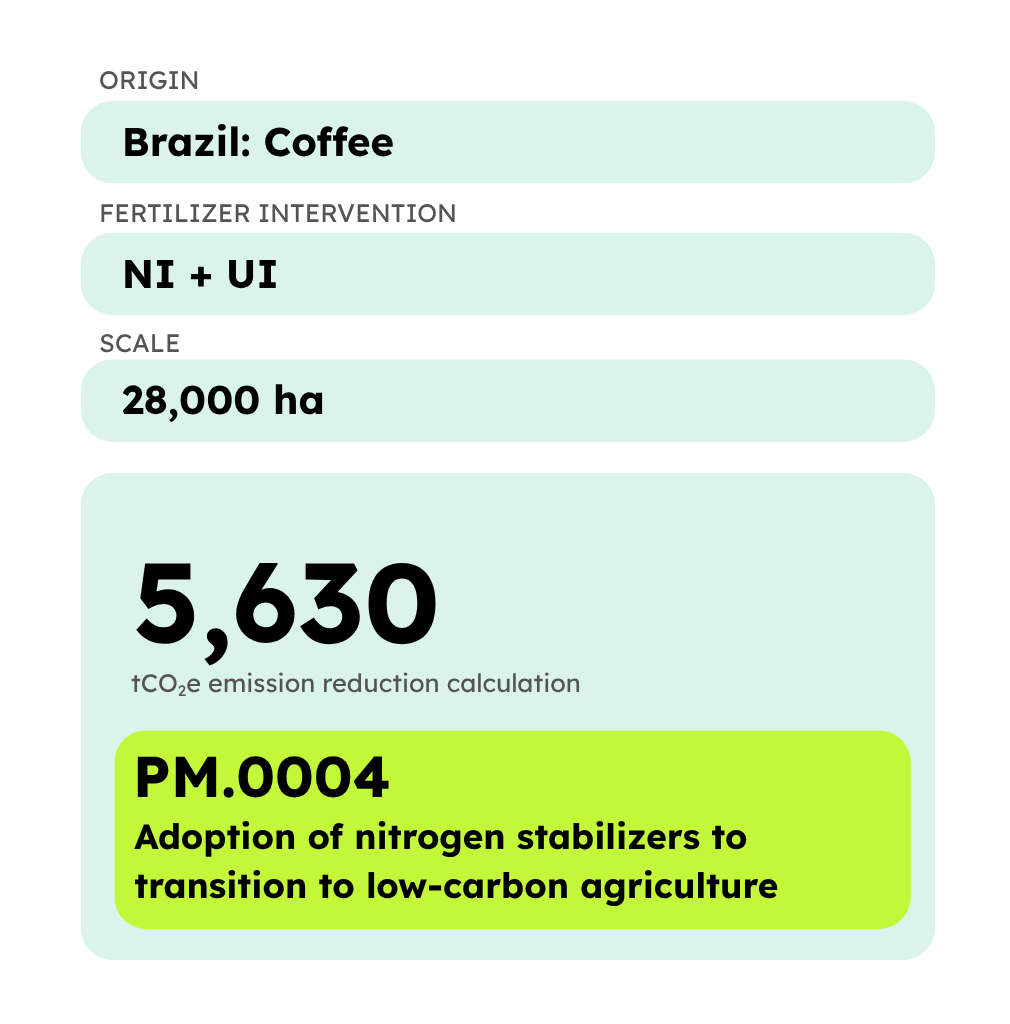
How do you decarbonize coffee? By addressing fertilizer emissions.

A clear case for why fertilizer efficiency belongs in your regenerative agriculture and Scope 3 strategy. and how to deliver reductions that are measurable, verifiable, and farmer-ready.
Proba graphics (7)

Find out where your Scope 3 impact really comes from.

Every crop tells a different story. Potatoes? 40% of emissions come from fertilizer. Wheat? 50%. Coffee? 30%.

Want to know where your biggest Scope 3 opportunity lies?

Share your supply chain details and we’ll help you pinpoint where fertilizer reduction delivers the biggest impact.